

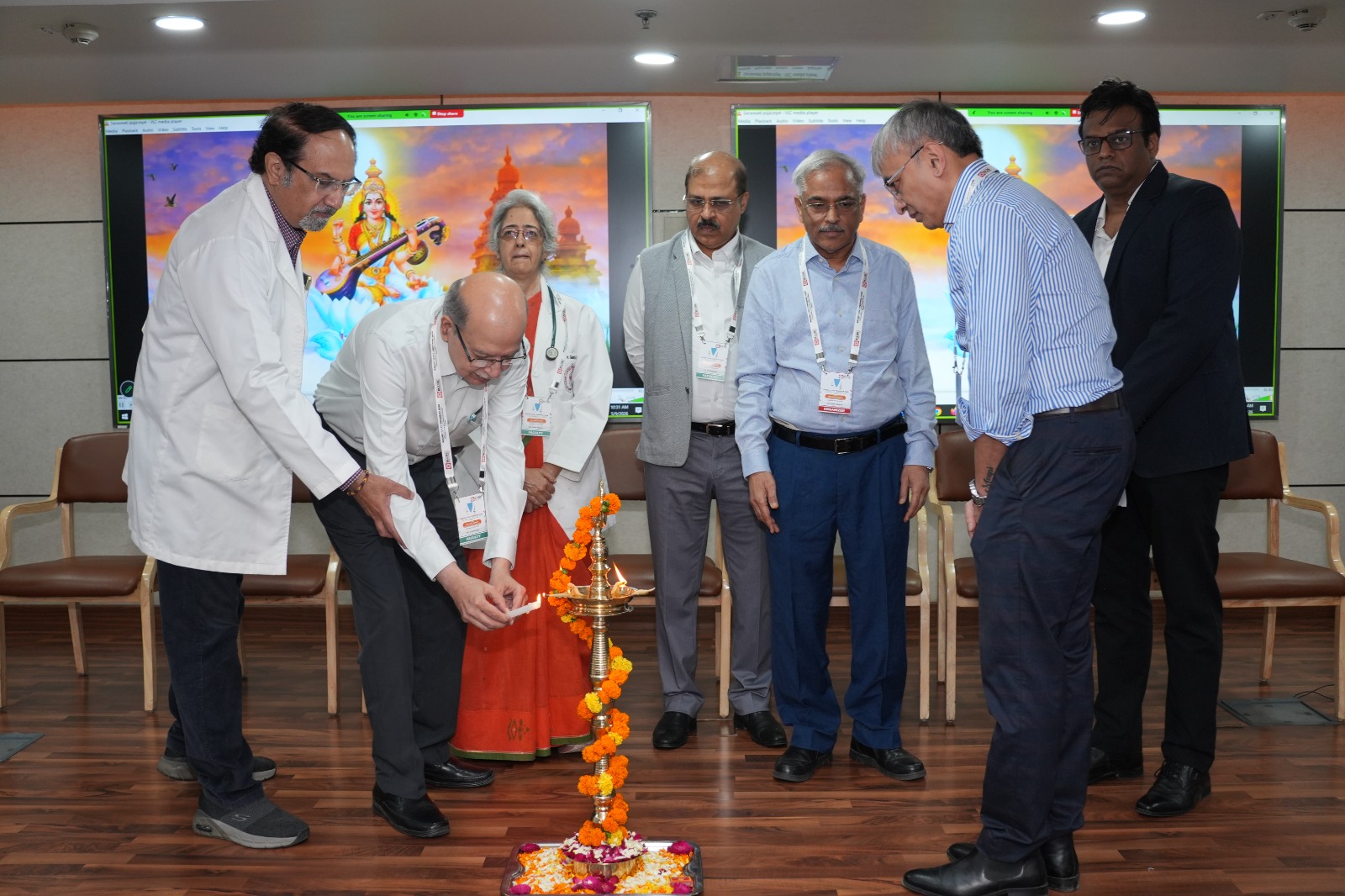
New Delhi, May 13, 2026, RGCIRC (Rajiv Gandhi Cancer Institute & Research Centre), Rohini, organised the Comprehensive Onco Anesthesia Training Program (COAT) Program 2026 under the theme “SEP-ONCO SUMMIT – Recognizing Sepsis in Oncology,” bringing together leading oncologists and critical care specialists to address one of the most pressing challenges in cancer care: early recognition and management of sepsis.
RGCIRC hosted its Comprehensive Onco Anaesthesia Training (COAT) Program 2026 in Delhi, bringing together oncologists, intensivists, anesthesiologists and critical care specialists to focus on a growing clinical concern in oncology care, sepsis recognition and management in cancer patients. Themed “SEP-ONCO SUMMIT: Recognizing Sepsis in Oncology,” the event highlighted how infections in immunocompromised cancer patients can rapidly progress into life-threatening sepsis, often leaving a very narrow window for intervention in intensive care settings.
The event featured a series of expert-led sessions and discussions led by distinguished faculty from RGCIRC, including Dr. Nitin Bansal, Dr. Prashant Singh, and Dr. Bikram Jyoti, alongside doctors and leadership from RGCIRC’s Department of Onco Surgical Critical Care & Anesthesiology. The experts covered an array of key topics including fungal sepsis in oncology settings, perioperative antibiotic strategies, cytokine release syndrome, biomarker-driven sepsis management, and advances in critical care protocols aimed at minimising the risk of infections and improving patient outcomes.
Speaking at the summit, Dr. Rajiv Chawla, Director – Department of Anesthesiology at RGCIRC, Rohini, emphasised the urgent need for heightened awareness and preparedness in oncology care settings. “Cancer patients are inherently more susceptible to infections due to compromised immunity, and sepsis continues to be a major concern in their management. Early recognition, strict infection control, and continuous vigilance, both within hospitals and after discharge, are essential to improving survival outcomes. The responsibility lies not only with doctors, but with the entire healthcare ecosystem, including nurses, caregivers, and families,” Dr. Chawla said.
In his inaugural address, Dr. D.S. Gangwar, CEO, RGCIRC, highlighted the growing importance of innovation and technology in strengthening infection prevention practices for cancer patients. He informed that the institute is currently assessing the role of Artificial Intelligence (AI) in infection prevention in cancer care settings and looks forward to an increasing role of AI-driven solutions in enhancing patient safety and clinical outcomes, with plans to adopt suitable technologies after due evaluation.
Across clinical discussions, experts underlined that sepsis continues to remain one of the leading causes of critical illness-related deaths globally, with a significant proportion of mortality occurring in low and middle-income countries such as India, where late diagnosis and limited early recognition pathways remain key challenges. The risk of infections is further amplified in cancer patients due to chemotherapy-induced immunosuppression, post-surgical vulnerability and prolonged hospital exposure.
Speakers at the summit stressed that in oncology settings, early signs of sepsis, such as persistent fever, sudden confusion, low blood pressure or respiratory distress often require immediate clinical suspicion rather than observational delay. The discussions also focused on the importance of structured hospital protocols, early warning scoring systems, antibiotic stewardship and coordinated response between oncology wards and intensive care units, with multiple experts noting that hospitals with trained sepsis response teams consistently show improved survival outcomes and reduced ICU length of stay.
While the program remained clinical in focus, the discussions also highlighted that patient safety extends beyond hospital settings, with post-discharge care, home hygiene, and continued monitoring playing a vital role in preventing infections, underscoring the importance of public awareness around early infection warning signs. Experts noted that timely medical attention at the first sign of deterioration remains one of the most effective ways to prevent progression to severe sepsis, reinforcing that awareness at both doctor and caregiver level is critical in improving outcomes.
As part of the summit’s commitment towards strengthening infection prevention practices in oncology care, healthcare professionals and caregivers participating in the event collectively took the “Oncology Infection Prevention Pledge.” Through the pledge, participants reaffirmed their commitment towards maintaining hand hygiene, ensuring sterile environments, safeguarding invasive lines, using protective gear appropriately, remaining vigilant towards early signs of infection, and prioritising both patient safety and staff wellness.
The summit concluded with a consensus that integrating sepsis training into oncology care pathways is becoming increasingly essential for India’s evolving cancer care ecosystem, where survival outcomes are closely linked not only to treatment advances but also to the speed and accuracy of critical care response.
Through the COAT Program 2026, RGCIRC reinforced the need for a proactive, system-wide approach to infection control – one that combines clinical expertise, continuous monitoring, and patient and caregiver awareness. The key message from the summit was clear: preventing and managing sepsis in cancer patients requires sustained vigilance at every stage of care, from hospital treatment to recovery at home.
